
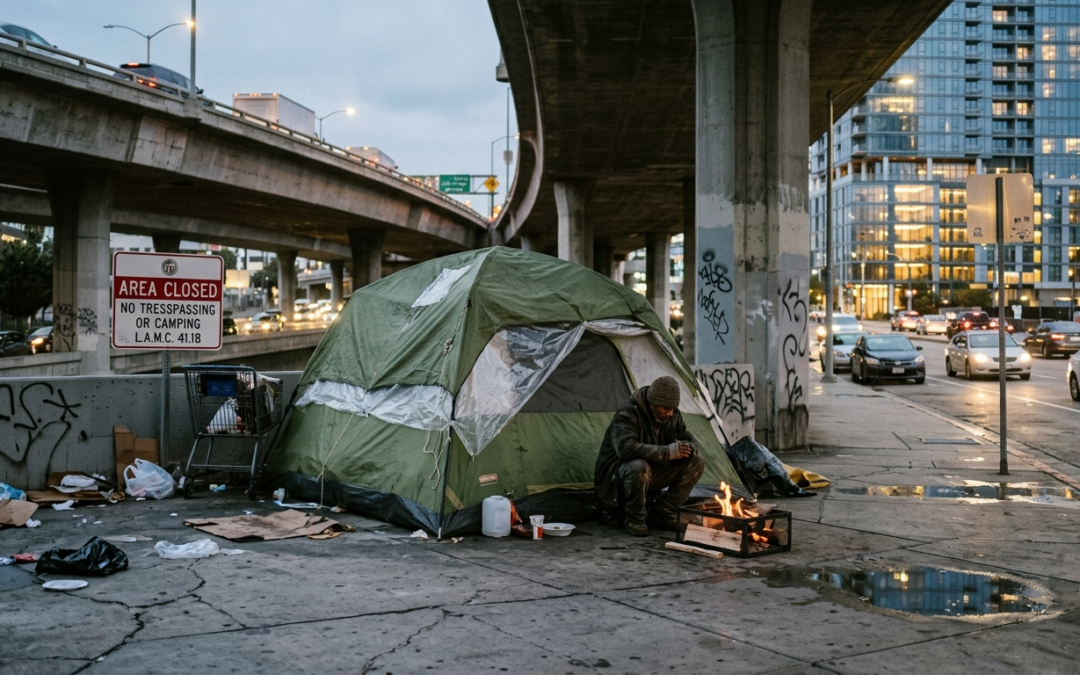
The challenges of homelessness intersect sharply with mental health issues—and Maryland’s SB0707 has ignited a spirited debate about intervention versus individual autonomy. Maryland’s SB0707 marks a significant shift in how we define “danger to oneself or others” for individuals experiencing homelessness. The bill broadens the criteria for intervention, potentially allowing for earlier and more decisive action when a person’s mental health poses risks. Family groups, mental health professionals, and civil rights advocates all agree on one point: when a person’s illness reaches crisis point, intervention must be both compassionate and carefully managed. However, the question remains: Where is the line between necessary intervention and an infringement on personal agency?
For many homeless individuals with severe mental illness, the bill could seem like a double-edged sword. On one hand, enhanced criteria could mean intervention when they are in crisis. On the other, as families like ours have long experienced, not every person will benefit equally. My brother Jim, in whose honor Apollo Homelessness Collaborative was founded, is a case in point. When loved ones are unable to recognize their own mental health needs due to conditions like anosognosia interventions may prevent dangerous outcomes. Unless the legislation empowers doctors to involuntarily administer anti-psychotic medication—a measure that remains debated—individuals with anosognosia may not receive continuous, effective treatment. Our experience with Jim, and research, indicate that without a comprehensive system for ongoing care, involuntary treatment can become a temporary fix. We have learned that stabilization is only a part of the journey to recovery.
Advocates from organizations such as NAMI and several homeless service nonprofits stress that while targeted intervention can be life-saving in urgent situations, it must be paired with robust, community-based support systems, especially permanent supportive housing, to be truly effective. As Maryland officials, homeless advocates, and family-based groups continue to dissect SB0707, it is essential to ask: Who truly benefits? By understanding both the potential gains and the limitations of this approach, we can better work toward solutions that enhance safety without compromising individual rights, while preserving dignity and safety for every individual.